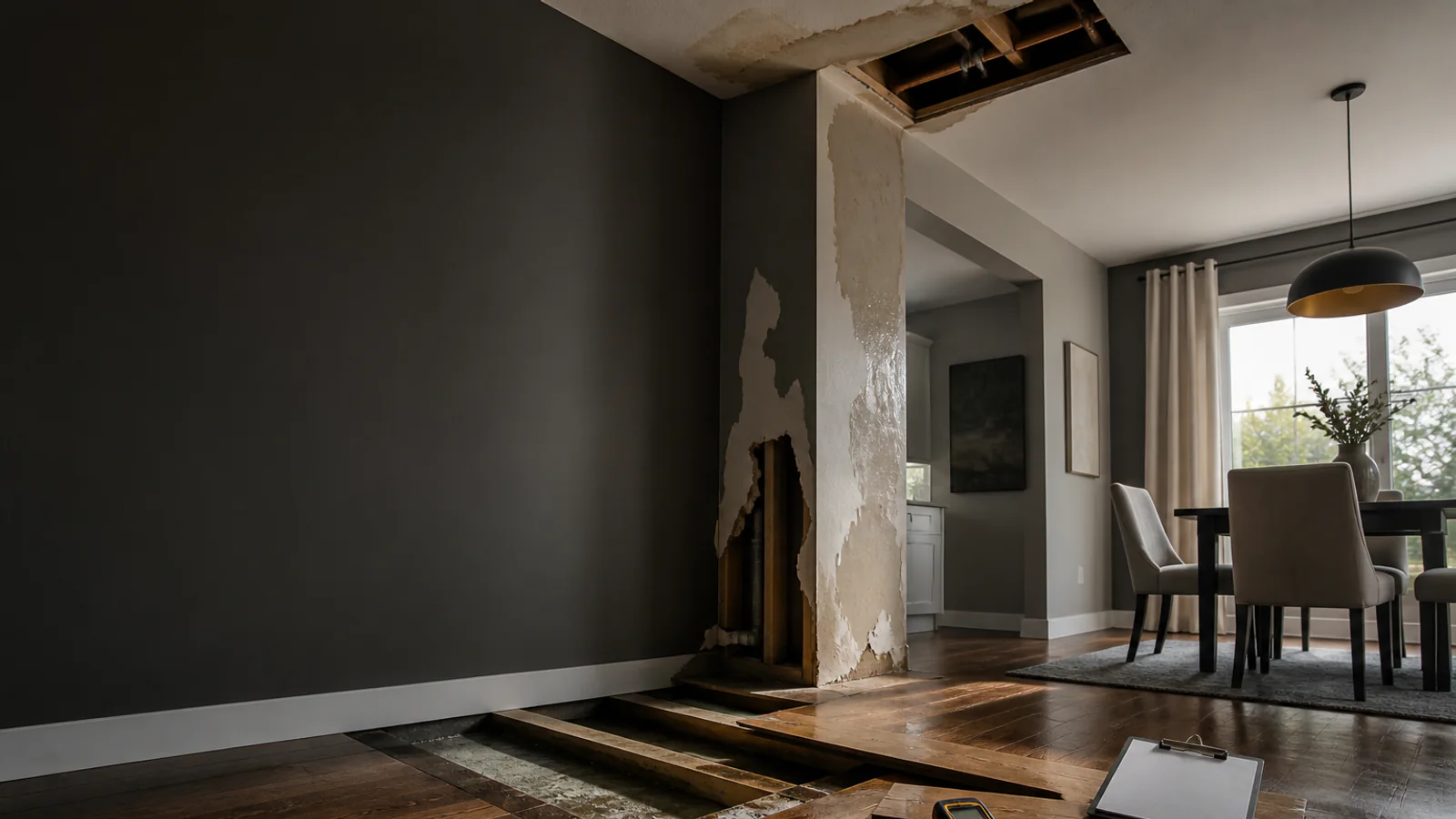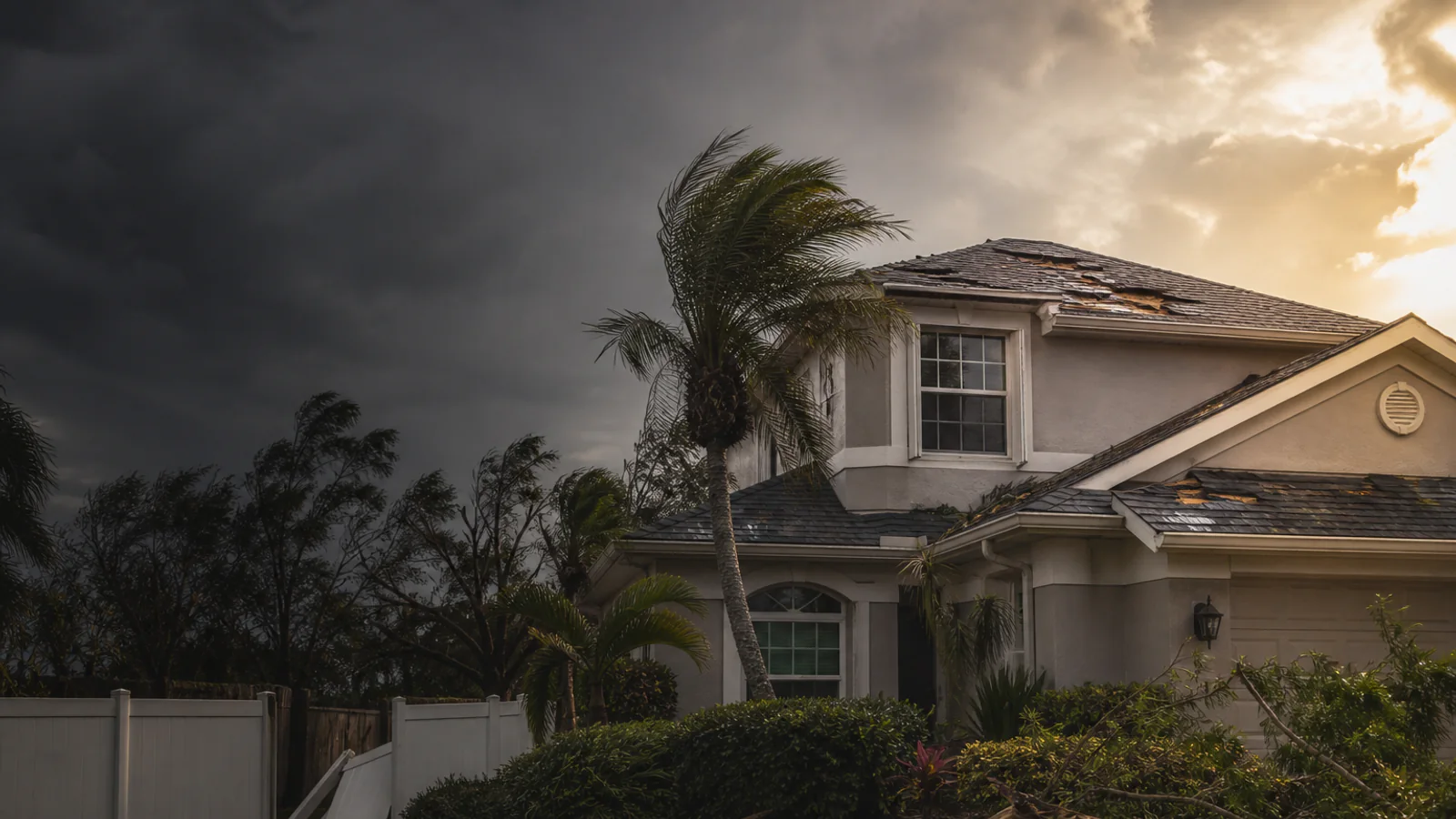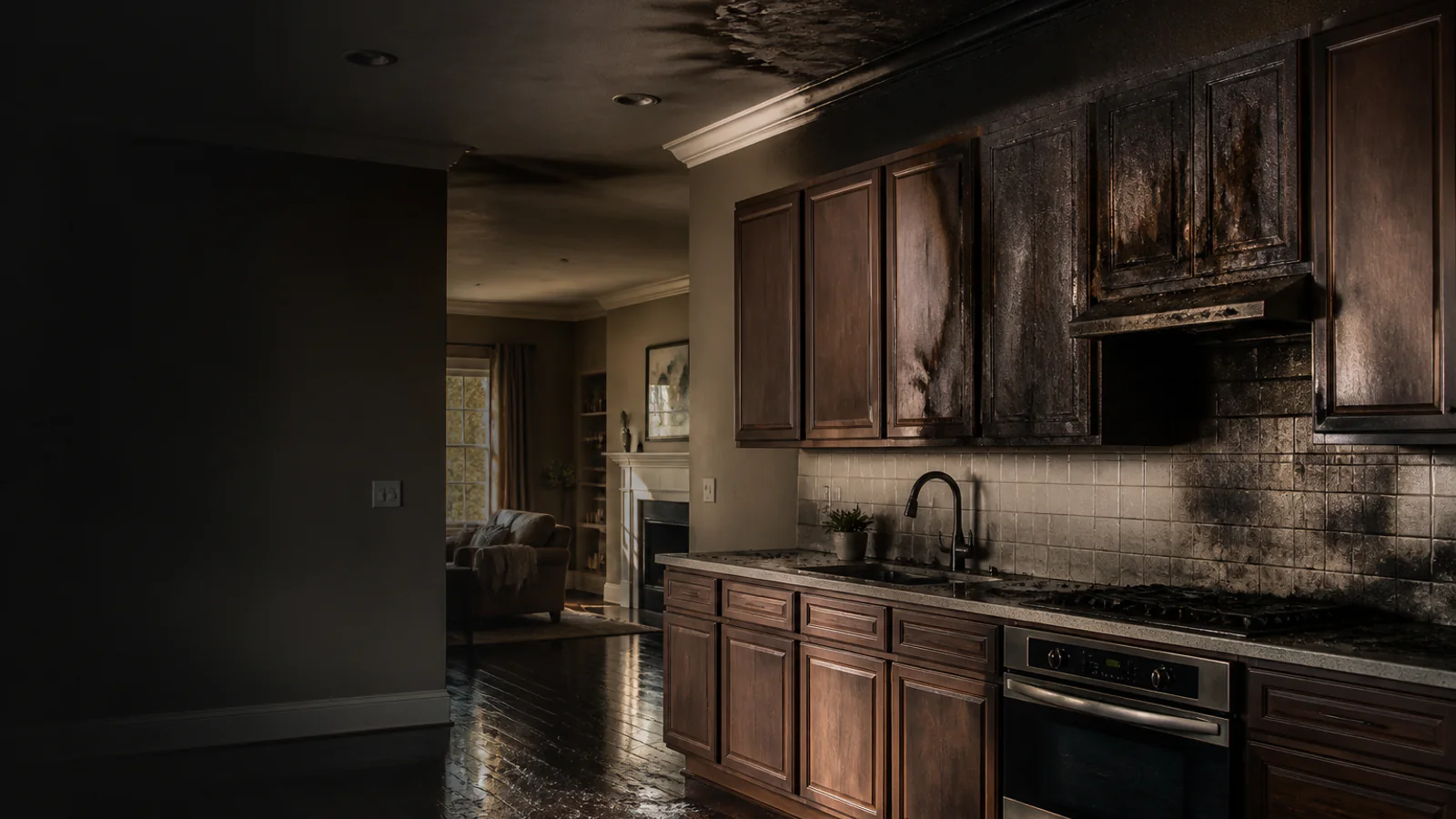
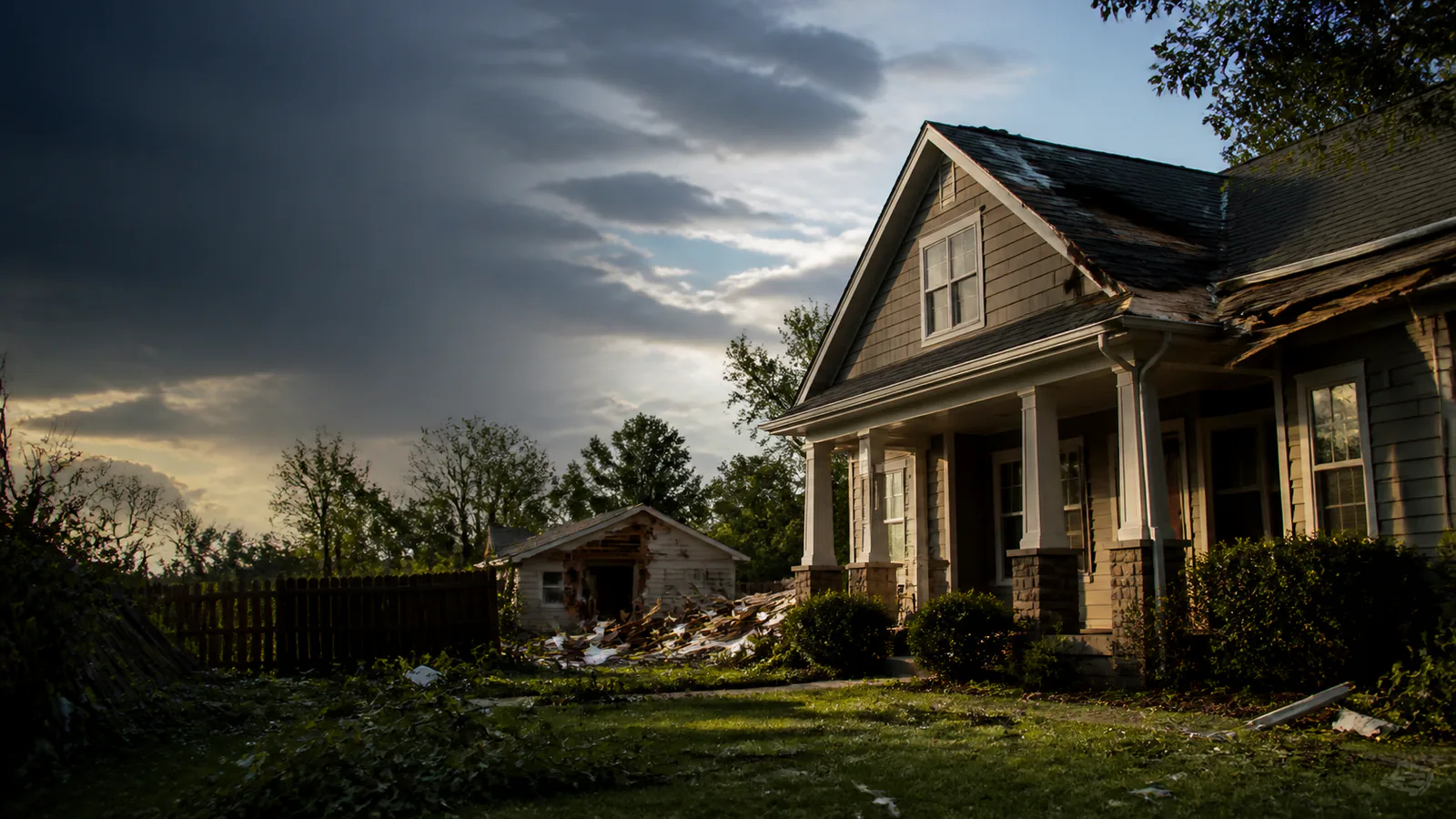
What may be affected
- Building materials and finishes
- Adjoining areas and concealed components
- Contents, systems, and personal property
- Temporary protective work
Florida · Tornado & Extreme Wind Claims
Extreme wind can create structural movement, openings, impact damage, water entry, and widespread contents loss in minutes. M&T helps policyholders build one organized record after the immediate danger has passed.
Understand the loss
Document the damage path across structure, envelope, contents, debris, and emergency protection.
The source, timing, affected areas, and emergency-protection records help explain the facts without making coverage assumptions.
General information for policyholders. The policy, facts, and applicable evaluation control coverage and outcome.
Follow emergency-management and utility instructions. Do not enter a damaged building until responsible authorities or qualified professionals permit access.
We help create order across a wide loss by organizing building, contents, expenses, professional findings, and carrier communications.
Only after emergency officials or qualified professionals say it is safe. Downed utilities and structural movement may not be obvious.
Remove hazards as directed, but photograph and inventory damaged property first when safe. Keep emergency and debris-removal records.
Work systematically: exterior overview, room-by-room photographs, contents inventory, temporary work, and a dated communication log.
Not necessarily. Deductibles and provisions depend on the event and policy language. Review the complete policy and facts.
Serving Florida statewide
M&T works for the policyholder within its licensed public-adjuster role. Coverage and payment depend on the policy, facts, documentation, and claim process.
Firm license W887877 · Jose Theodoro Nunes Weber · License W784032
Statewide response
Phone and email are required so we can respond.
General information, not legal advice or a promise of coverage, outcome, or payment. Every claim is different.
Professional affiliations and verification
 Active FAPIA member · Member No. 2353
BBB accreditation and FAPIA membership belong to M&T Adjusters Corp. and are shown with verification links; on the Nevada site they appear as company-wide firm credentials. The Xactimate Level 1 credential is historical and expired. Regulator marks and links are shown only for verification and do not imply government endorsement.