Policyholder blog & guides
Florida property-claim guidance, clearly explained.
Original, source-backed articles to help you document damage, preserve records, and ask better claim questions.
Practical claim guides
Start with what happened.
Every article is reviewed for this market and links directly to the government sources used. We prioritize useful, verifiable guidance.
 01
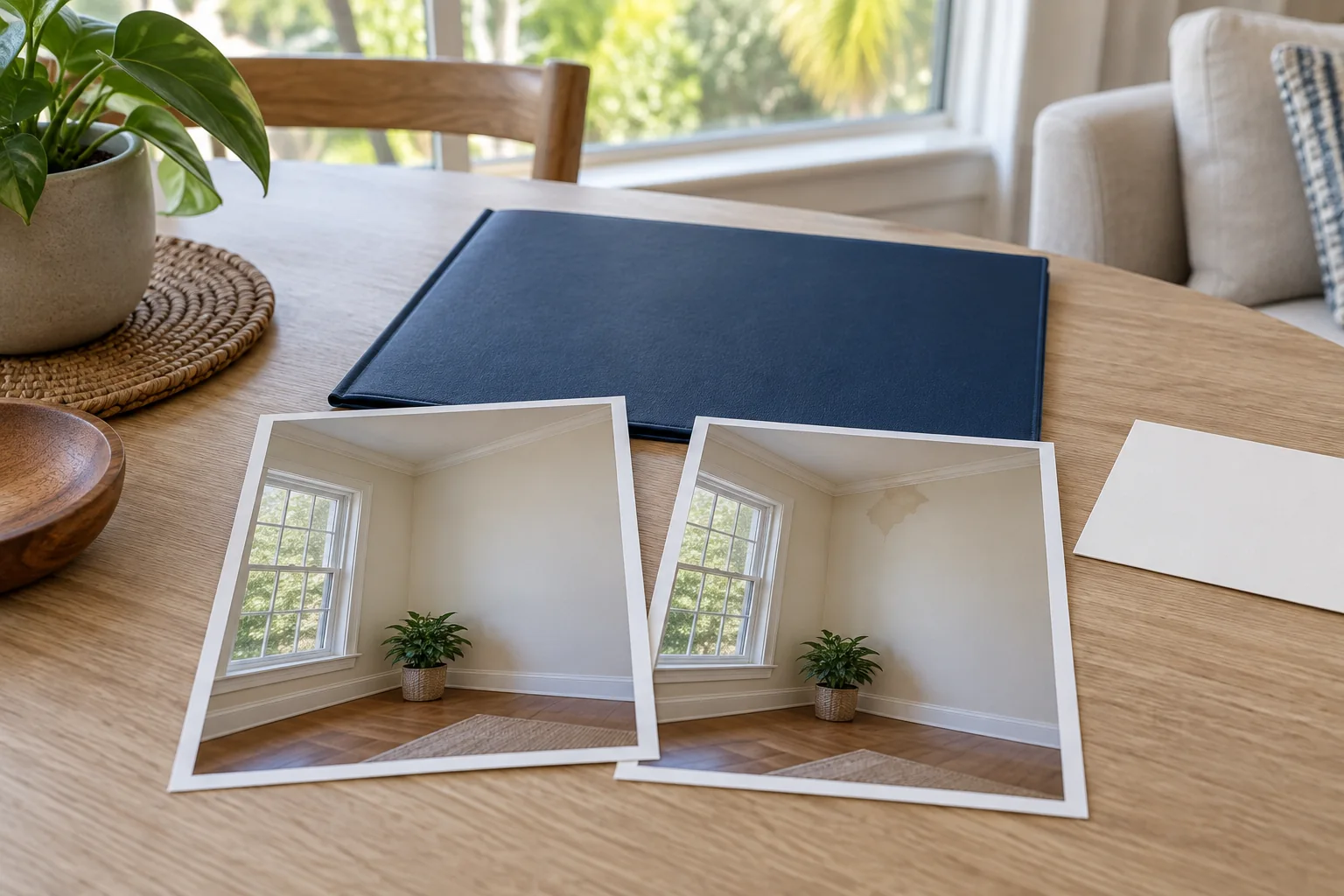
01Florida Claims: Compare Before-and-After Photos Carefully
An older photograph can add context to a claim, but a useful comparison explains what each image shows, when it was taken and what remains uncertain.
Read article ↗ 02
02Florida Claims: Find the Right Policy Documents
The newest policy PDF may not be the one you need for an earlier loss. Separate policy periods, match listed forms and keep unresolved document questions visible.
Read article ↗ 03
03Florida Repairs: Keep Permit and Inspection Records
A permit number is only one part of a repair file. Keep the work description, inspection history and claim correspondence connected without mixing their meanings.
Read article ↗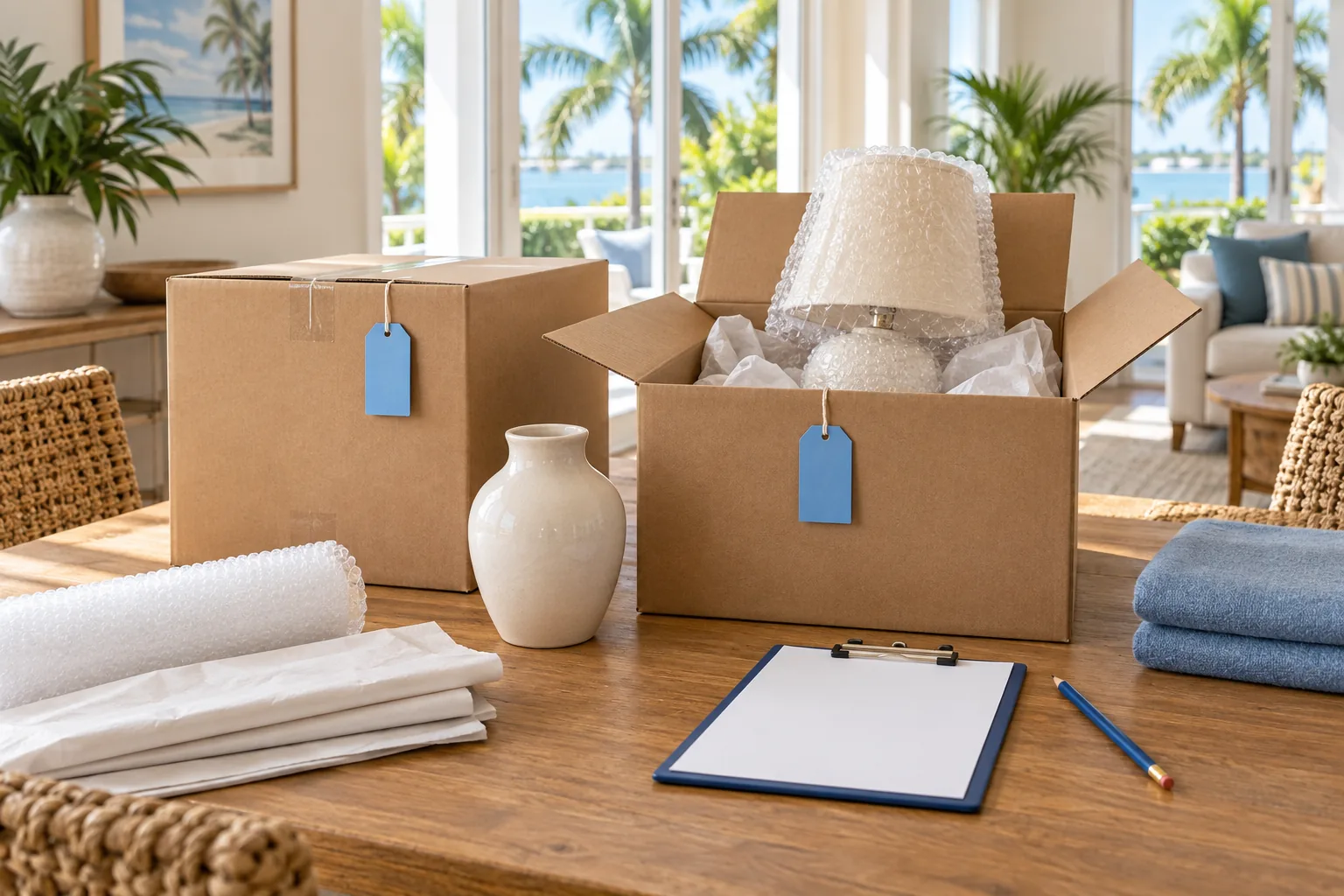 04
04Florida Property Damage: Track Belongings Sent Off-Site
When belongings leave a damaged home, keep a record of what moved, who received it and what came back. A simple transfer log connects the pieces.
Read article ↗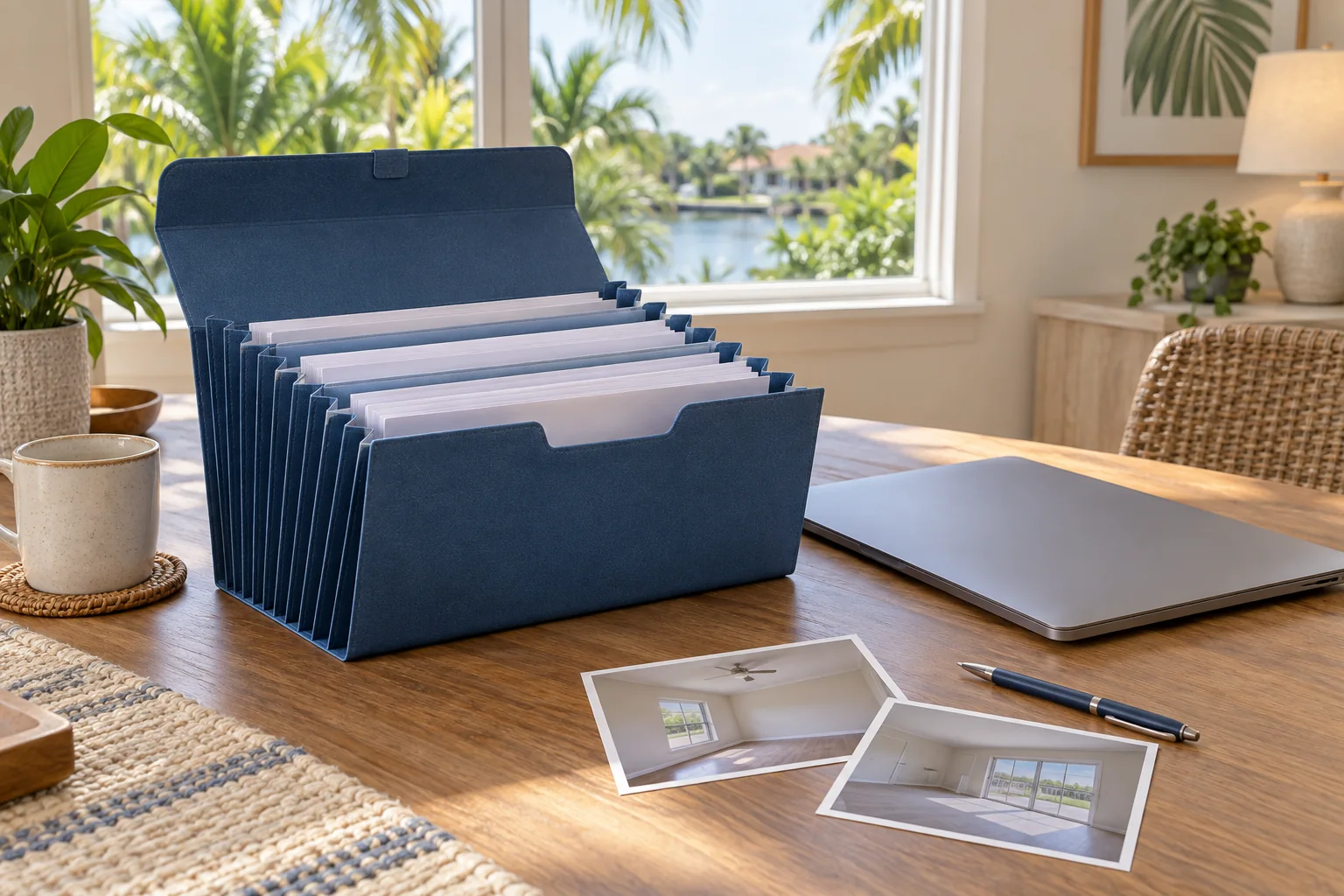 05
05What to Prepare for a Florida Public-Adjuster Consultation
A short file map can make an initial conversation more useful. Gather the records you have, identify gaps and arrange a private way to share them.
Read article ↗ 06
06Florida Repair Records: Estimate, Invoice or Proof of Payment?
One repair may produce several documents. Learn what each records and how to connect them without adding the same cost twice.
Read article ↗ 07
07Temporary Lodging After Florida Property Damage: Build a Clear Expense File
Keep stay dates, itemized bills, ordinary spending and insurer responses together without treating every expense as reimbursable.
Read article ↗ 08
08Additional Damage Found During Repairs in Florida: What to Record
A dated discovery record helps explain what became visible, where it was found, and which repair documents changed.
Read article ↗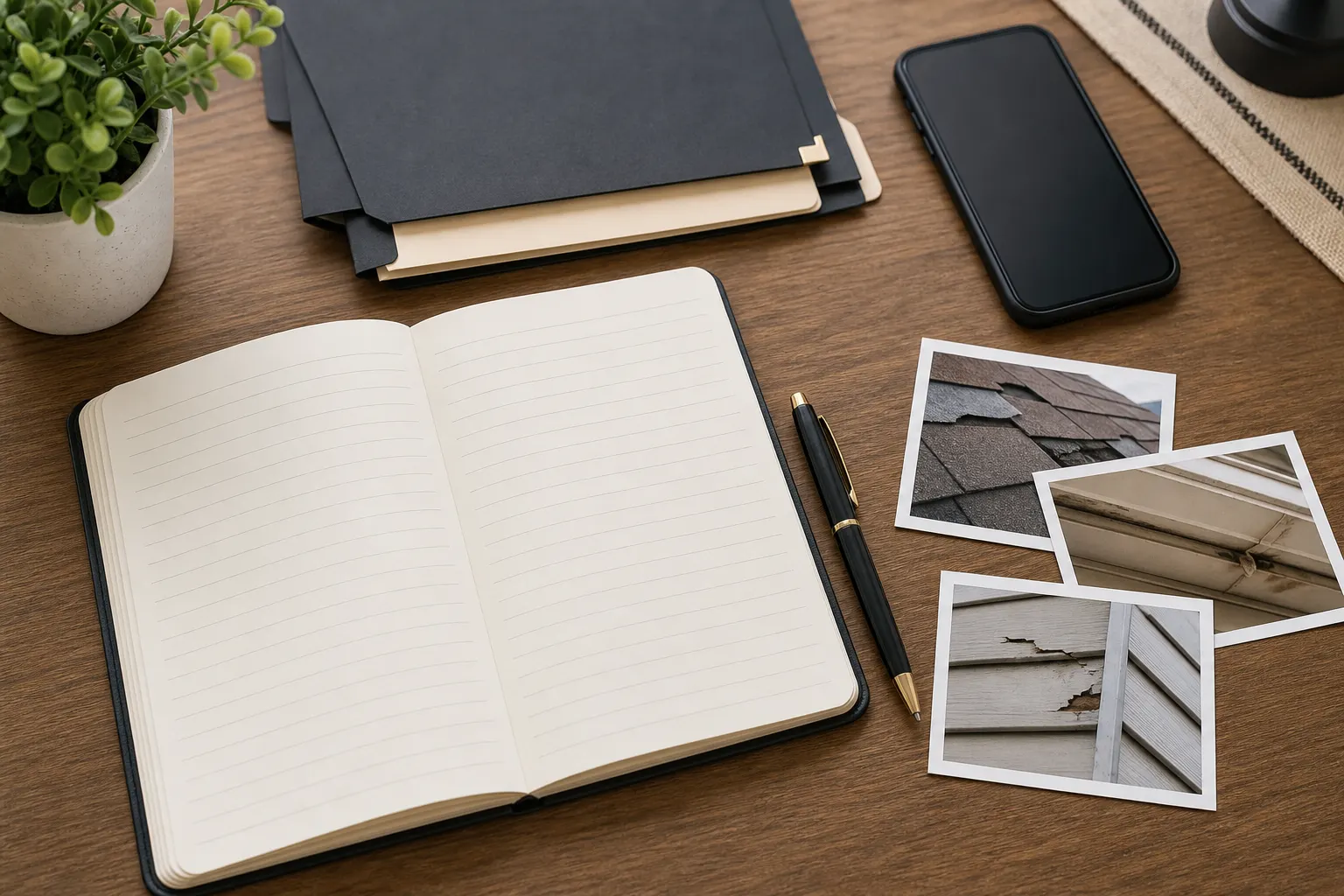 09
09Florida Property Claim Communication Log: What to Save After Each Call
Use a practical claim communication log to organize calls, messages, document requests and follow-ups after property damage in Florida.
Read article ↗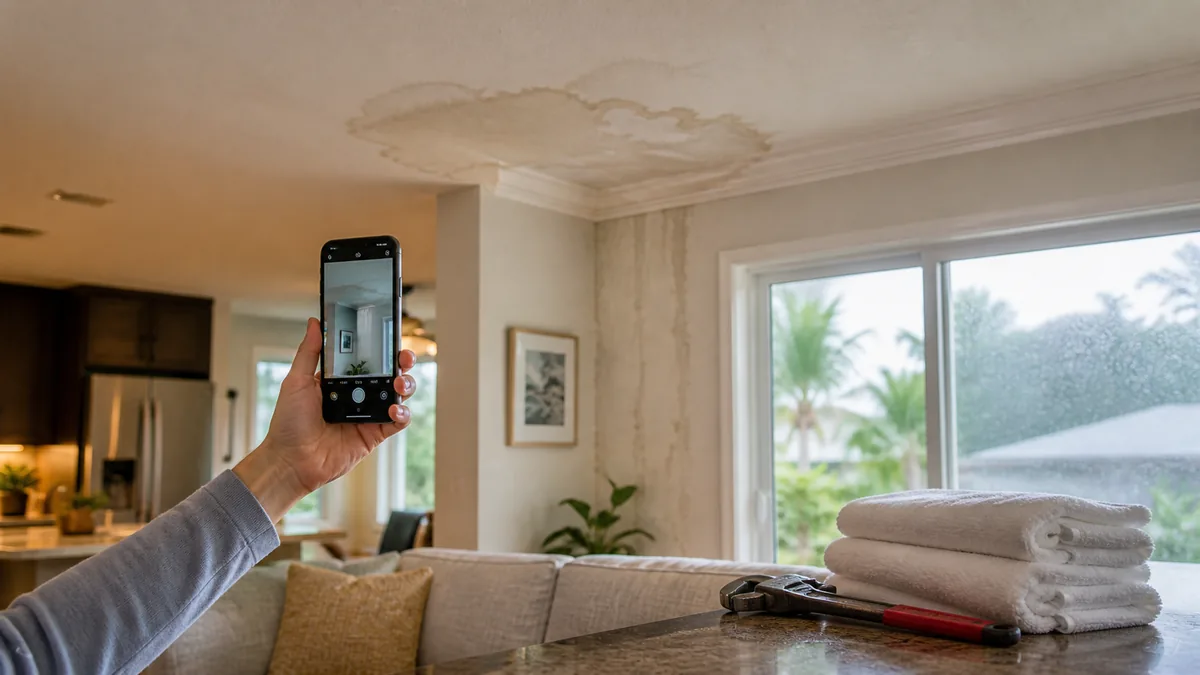 10
10The First 24 Hours After Property Damage in Florida
What you do immediately after a Florida loss can protect people, preserve evidence, and make the claim record easier to understand.
Read article ↗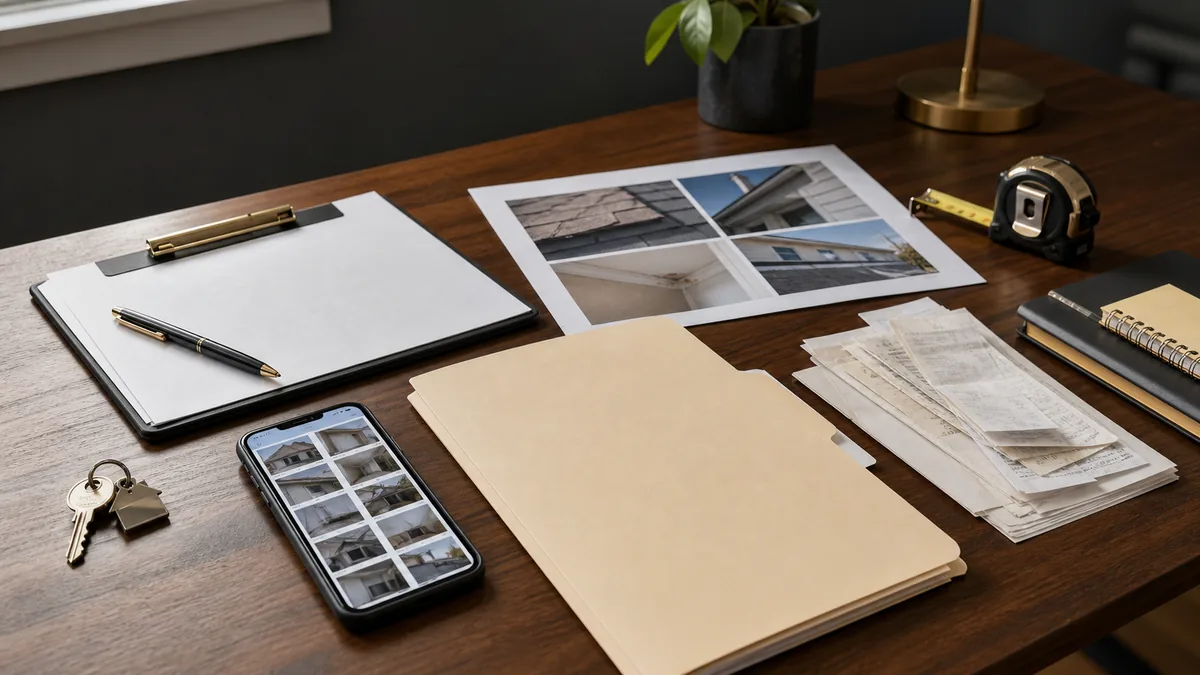 11
11Florida Property Claim Photo Documentation: A Room-by-Room Guide
A useful photo record shows location, context, detail, scale, and change over time—not just a folder of unexplained close-ups.
Read article ↗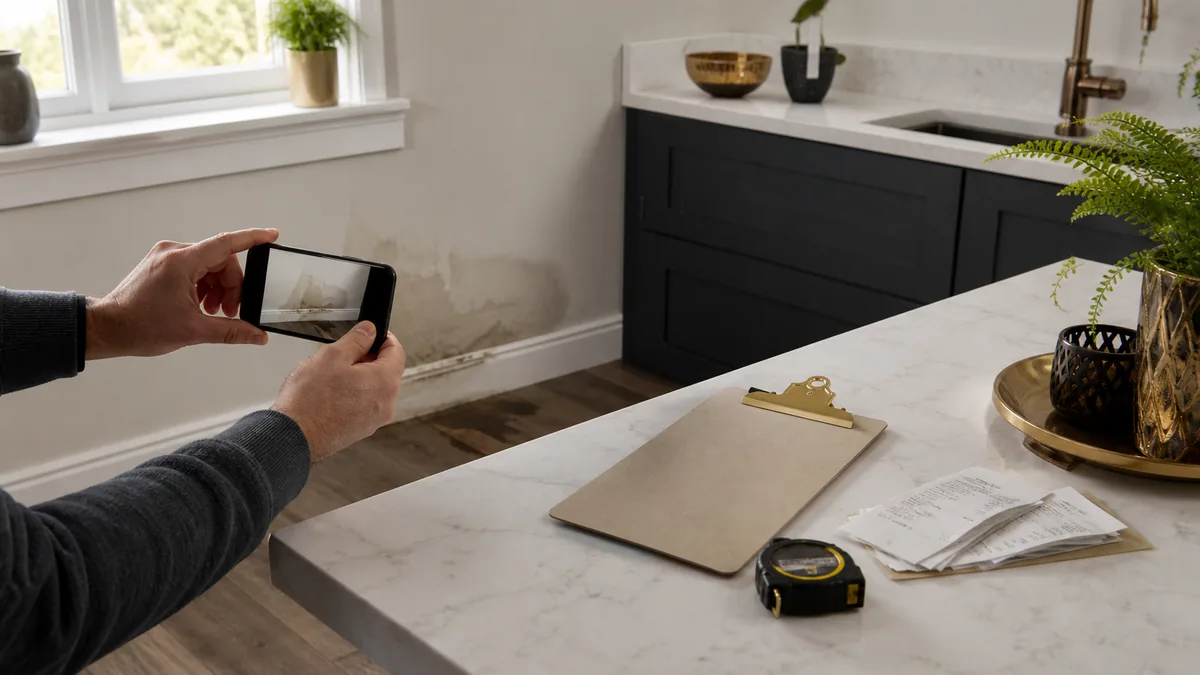 12
12Florida Water Damage vs. Flood Damage: What to Document
“Water damage” describes a condition, not a coverage decision. The source, direction, timing, and policy language require careful documentation.
Read article ↗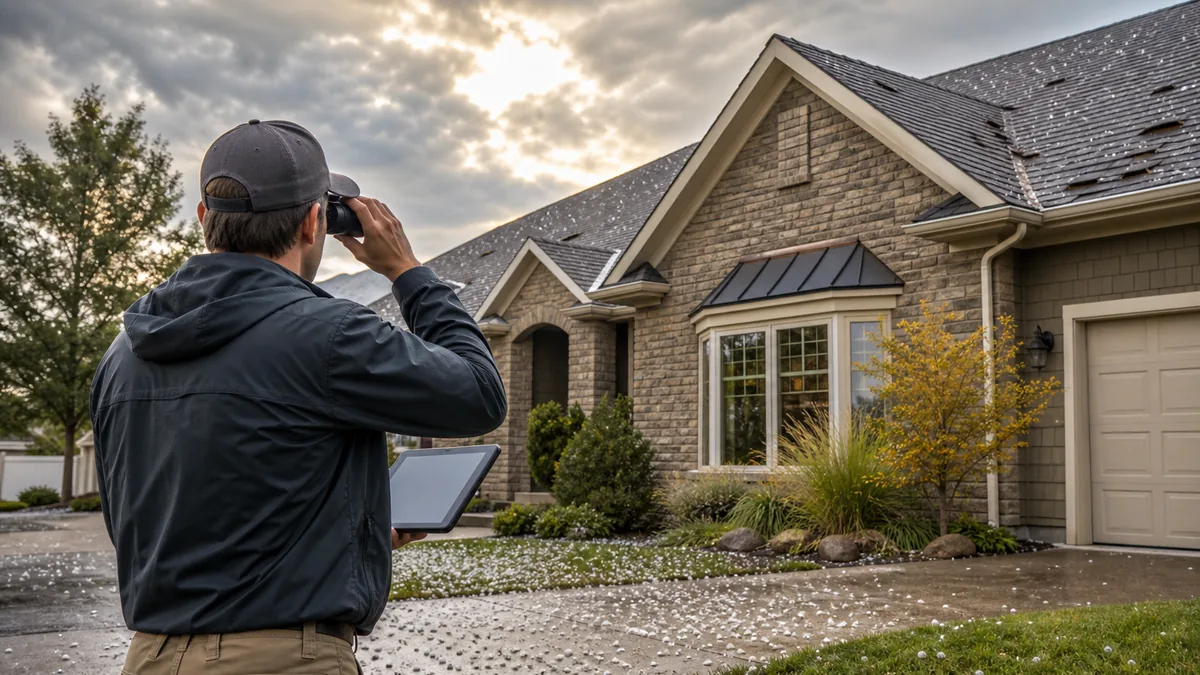 13
13Florida Roof, Wind, and Hail Damage: A Documentation Guide
A roof claim record should connect the weather event, safe exterior observations, building components, interior effects, and temporary protection.
Read article ↗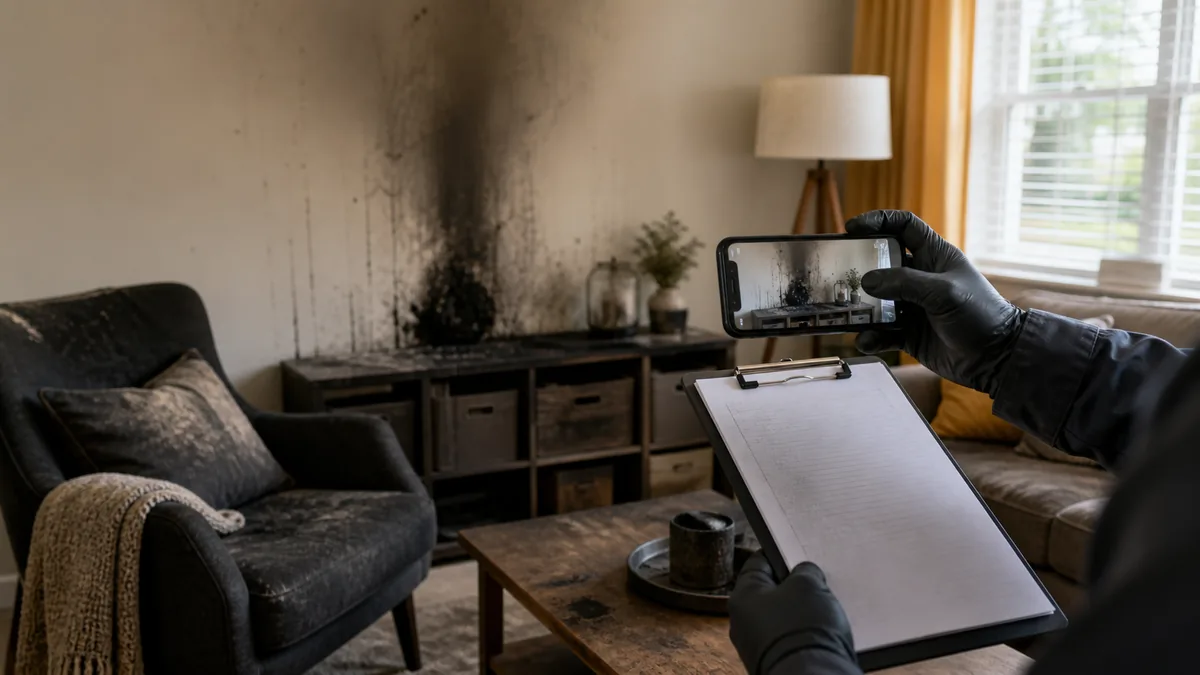 14
14Florida Fire and Smoke Claims: Building a Reliable Property Inventory
Fire losses can include heat, smoke, soot, water, openings, electrical effects, contents, and displacement; document each category without risking re-entry.
Read article ↗ 15
15Denied Florida Property Claim? How to Review the Decision and Your Records
A denial is a written claim decision—not a signal to guess or exaggerate. Read the stated reasons, compare them with the policy and evidence, and organize the next conversation.
Read article ↗ 16
16Understanding Florida Property Claim Payments, Estimates, and Checks
A claim check rarely explains the whole file by itself. Read it beside the estimate, payment letter, deductible, depreciation, prior payments, and policy terms.
Read article ↗ 17
17How to Choose a Licensed Public Adjuster in Florida
A public adjuster represents the policyholder, but the decision to hire one should begin with license verification and a careful contract review.
Read article ↗Essential resources
Short checklists worth keeping.
This article provides general educational information. It does not interpret any policy, provide legal or safety advice, or guarantee coverage, payment, or results. The applicable policy, endorsements, facts of the loss, and insurer process control each claim. For health, fire, electrical, structural, or contamination hazards, follow public-authority and qualified-professional instructions.